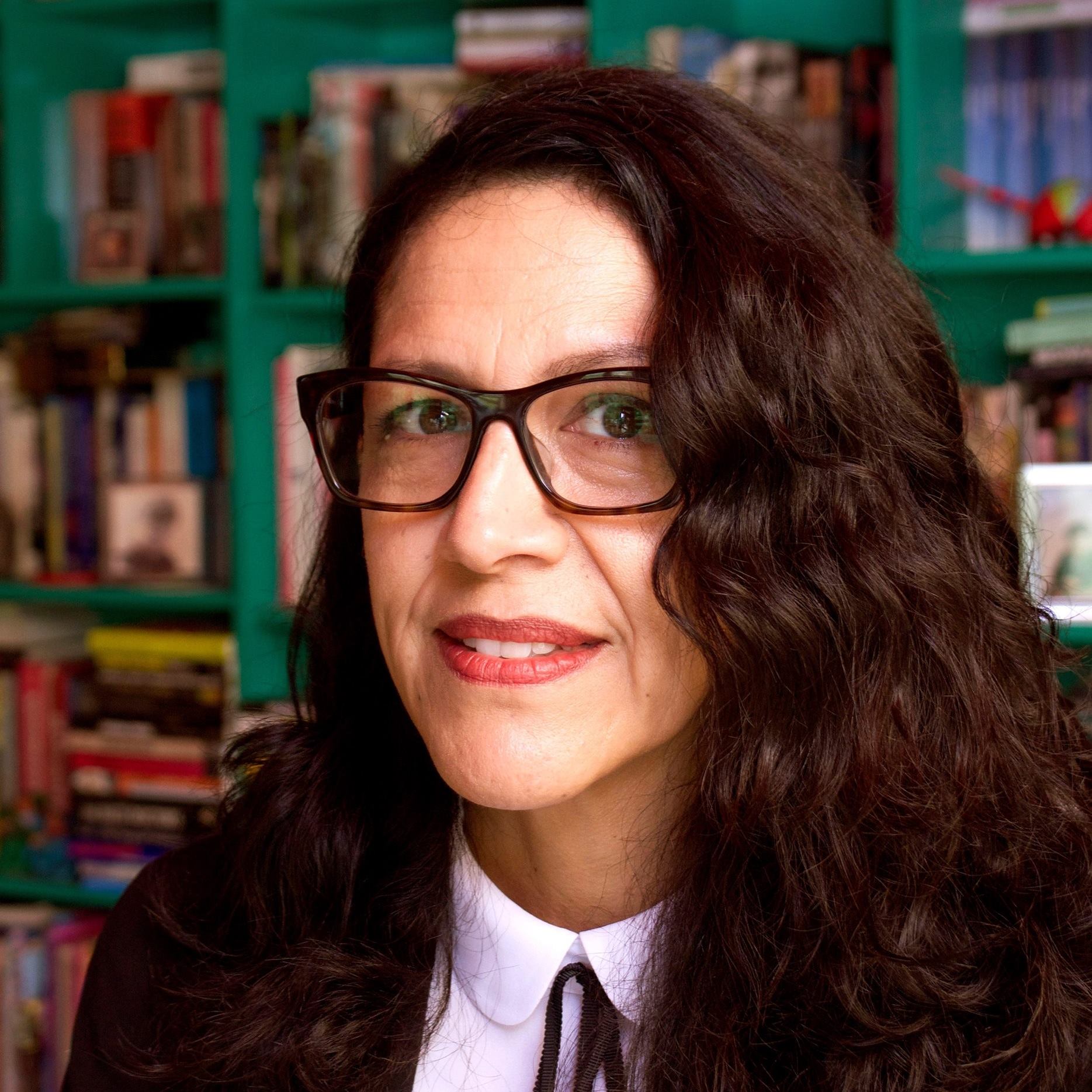
Virginia Espino
Continuing Lecturer
Chicana/o Studies, Gender and Work, Oral History
Biography
Virginia Espino is a Continuing Lecturer in Labor Studies and Chicana, Chicano, and Central American Studies at UCLA. The daughter of Mexican parents, she was raised in the barrios of northeastern Los Angeles, where she currently resides. Her research interests are deeply rooted in her working-class upbringing and her commitment to challenging and disrupting dominant scholarly narratives that have historically marginalized or devalued the reproductive labor of Chicanas and Latinas. Her courses examine the intersections of race, class, and gender in working-class culture, labor, and identity formation.
Espino has published in the Chicano Studies Journal and Aztlán, and her extensive collection of oral history interviews is housed at UCLA’s Center for Oral History Research. There, she spent six years documenting the historic activism and organizing of Los Angeles’ Chicana and Chicano communities. Her investigation into the history of coercive sterilization at Los Angeles-USC Medical Center provided the impetus for the Emmy-nominated documentary No Más Bebés for which she served as a Producer and Lead Historian.
She was an Oral History Association/National Endowment for the Humanities 2022–2023 Fellow for her project Wild Tongue: A Latinx Oral History Archive and is the recipient of a John V. Mink Award recognizing her contributions to oral history. Espino holds a PhD in History from Arizona State University, where she studied under renowned Chicana historian Dr. Vicki L. Ruiz. A vocal advocate for reproductive justice and workers’ rights, Espino serves on the Board of Directors of California Latinas for Reproductive Justice and as an officer of her union, UC-AFT.
Courses Taught
LBR STD 140: Working It: Women, Work, and Family
LBR STD M127: Farmworker Movements, Social Justice, and United Farm Workers Legacy
LBR STD M143: La Domestica: Race, Class, and Gender in Domestic Work
LBR STD 182: Oral History for Social Change